When selecting the perfect Brushed Stainless Steel Sink for your kitchen, the process can feel overwhelming. According to kitchen design expert Jane Smith, "Choosing the right sink is crucial for both functionality and style." Finding a balance between aesthetics and practical use is essential.
Brushed stainless steel is a popular choice due to its durability and sleek appearance. However, not all sinks are created equal. Consider factors like gauge thickness and finish quality. A high-gauge sink may resist dents and scratches better, but it often comes with a higher price tag. Explore various brands to see which ones hold strong reputations in the industry.
Remember, it’s important to also consider your kitchen's design. Will the sink blend well with surrounding elements? A sink can significantly impact overall design. Researching and comparing options can lead to better decisions. Take your time to reflect on what features truly meet your needs before making that purchase.
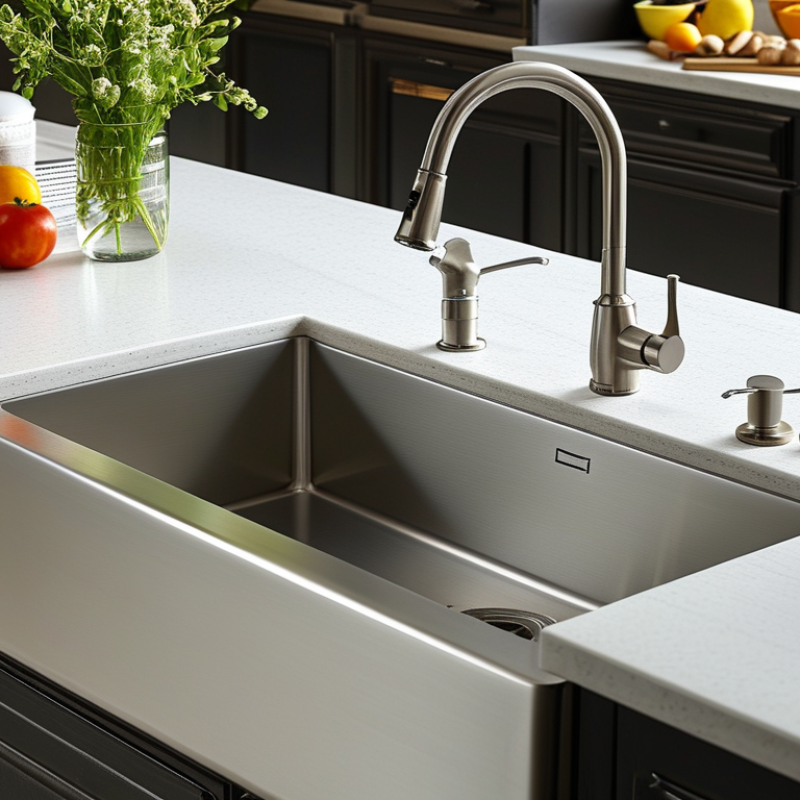
When selecting a brushed stainless steel sink, understanding the types available is essential. There are typically two main categories: undermount sinks and drop-in sinks. Undermount sinks are installed beneath the countertop, providing a seamless look. They offer easy cleaning, as debris can be wiped directly into the sink. On the other hand, drop-in sinks have a visible rim. They can be easier to install but might collect grime along the edges.
The finish on brushed stainless steel is also important. Some finishes are more resistant to scratches and stains than others. Look for options labeled as 18/10 stainless steel for durability. Budget is a consideration too. High-quality sinks come at a premium, but they often last longer, making them a wise investment.
Pay attention to the sink's depth and layout. A deeper sink can accommodate larger pots and pans. Dual-basin sinks provide versatility for multitasking during meal prep. Ensure the sink fits your kitchen style and meets your needs effectively. A well-chosen sink can elevate your entire kitchen experience, blending functionality with design.
When selecting a brushed stainless steel sink, evaluating the size and configuration for your kitchen space is crucial. According to the National Kitchen and Bath Association, about 65% of homeowners prefer undermount sinks due to their seamless integration into countertops. This design choice maximizes counter space and reduces cleaning time, but it requires careful measurement of your kitchen's dimensions.
Consider typical sink sizes, which range from 24 to 36 inches. A standard double bowl sink often measures 33 inches wide. However, not all kitchens can accommodate this size. If your kitchen is compact, opt for a single bowl sink, which averages around 30 inches. This configuration provides more flexibility, allowing for a larger basin without sacrificing space.
Beyond just dimensions, the configuration should match your cooking and cleaning habits. Some prefer deep sinks for large pots, while others value shallow designs for easy reach. A poorly chosen size can lead to frustration. Surveys show that 40% of homeowners wish they'd selected a different sink style after installation, indicating the importance of thoughtful planning before making a purchase. The right sink can enhance both functionality and aesthetics in your kitchen.
| Sink Size | Configuration | Depth | Installation Type | Number of Bowls |
|---|---|---|---|---|
| 30 inches | Single Bowl | 10 inches | Top Mount | 1 |
| 33 inches | Double Bowl | 9 inches | Under Mount | 2 |
| 36 inches | Triple Bowl | 9.5 inches | Farmhouse | 3 |
| 25 inches | Single Bowl | 8 inches | Top Mount | 1 |
| 32 inches | Double Bowl | 10 inches | Under Mount | 2 |
When choosing a brushed stainless steel sink, durability and material quality are crucial factors. Brushed stainless steel is known for its resistance to scratches and corrosion. This finish often disguises minor imperfection, making it ideal for busy kitchens. However, not all stainless steel is created equal. The gauge of the steel significantly impacts longevity. Thicker stainless steel, typically 16-gauge or lower, offers better durability and is less likely to dent over time.
Another aspect to consider is the alloy composition. A higher nickel content can enhance resistance against rust and staining. It is essential to research the composition before making a purchase. Conducting a magnet test can help. If the magnet clings, it indicates lower quality steel. This is an important step to avoid future issues with rust or wear.
Evaluate the sink’s finish as well. A well-finished surface not only looks appealing but is also easier to clean. However, brushed finishes can show water spots and fingerprints more easily than polished ones. A high-quality sink should come with a professional-grade finish that withstands frequent cleaning. Ultimately, a careful assessment of these factors will lead to a more informed choice.
When selecting a brushed stainless steel sink, the right features and accessories can significantly enhance your kitchen's functionality. Consider the size and depth of the sink. A deeper basin allows for easier washing of large pots and pans. Look for models with divided bowls. This design can help multitask, enabling you to wash and rinse simultaneously, saving precious time.
Accessories also play a crucial role in making your sink more efficient. Many sinks come with cutting boards or colanders that fit perfectly. These additions maximize your workspace, especially in smaller kitchens. A built-in soap dispenser or a drying rack can keep your countertop organized and clutter-free.
However, choosing the best features can be overwhelming. You might find yourself drawn to trendy designs that lack practical functionality. Not every addition will serve a real purpose. Assess your cooking habits and ensure you invest in tools that cater specifically to your needs, rather than aesthetic appeal alone. Reflecting on your daily routines will guide you to a more suitable configuration, balancing style and utility seamlessly.
Choosing the right brushed stainless steel sink can be challenging. A comprehensive study from the Home Improvement Research Institute indicates that price variations can be significant. The cost can range from $100 to over $1,000. Factors like size, gauge, and finish affect these prices. Many homeowners feel overwhelmed by the options available on the market.
When comparing brands, it's essential to look for the best value features. High-quality sinks typically have a gauge of 16 or 18, with thicker gauges being more durable. A report from the Kitchen and Bath Association highlights that sinks with noise-reduction technology add value and convenience. Often, this feature can justify a higher price point.
Consider the long-term cost of ownership. More affordable sinks may require replacement sooner than higher-priced models. Investing in a reputable brand can save money in the long run. It’s worth researching customer reviews and industry ratings. Keep an eye on warranty terms, which can indicate product quality. Explore options, as many retailers offer seasonal sales, helping to maximize your savings on a quality sink. Finding the best brushed stainless steel sink requires careful consideration of both quality and price.
: Brushed stainless steel resists scratches and corrosion, making it durable for kitchen use.
Thicker stainless steel, like 16-gauge, offers better durability and reduces denting over time.
A higher nickel content improves rust and stain resistance; research the composition before purchasing.
Perform a magnet test; if it clings, the steel quality may be lower.
A well-finished surface is appealing and easier to clean, but brushed finishes show water spots more.
Evaluate size, depth, and features like divided bowls to enhance washing efficiency and multitasking.
Accessories like cutting boards and soap dispensers help maximize workspace and keep countertops organized.
Understanding your routines helps choose features that provide practical benefits rather than just aesthetic appeal.
Prices range from $100 to over $1,000, influenced by size, gauge, and additional features.
Researching durability, warranty terms, and customer reviews can guide smart investments for long-term savings.
Choosing the best Brushed Stainless Steel Sink for your kitchen involves understanding various types and their distinct features to find one that fits your personal needs. First, it's crucial to evaluate the size and configuration of the sink to ensure it complements your kitchen space effectively. Additionally, the durability and quality of brushed stainless steel materials should be assessed, as this affects the sink's longevity and overall appearance.
Furthermore, considering various sink features and accessories can enhance the sink's functionality, making your kitchen tasks more efficient. Lastly, comparing prices across different offerings allows you to find the best value for your investment in a Brushed Stainless Steel Sink, ensuring you receive quality without compromising your budget. By keeping these factors in mind, you can make an informed decision that will elevate your kitchen experience.

Jinrenkang Hardware